What Should Beginners Look for in Excavator Operator Training?
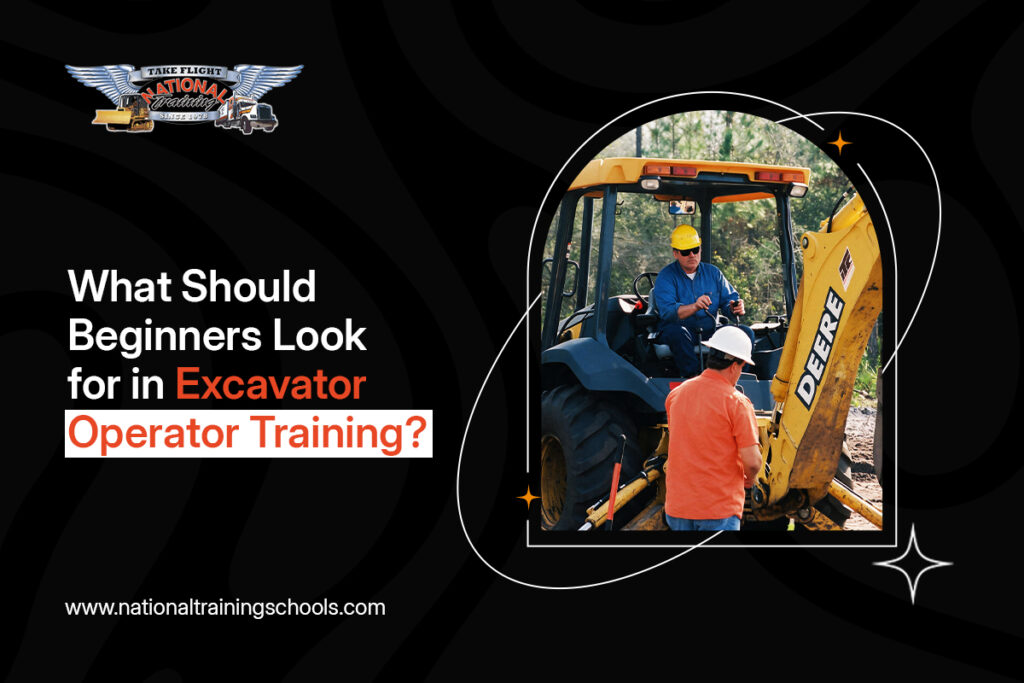
Excavators are used for a wide range of construction and earthmoving tasks, from digging and trenching to material handling and site preparation. Because these machines combine several controls and require operators to work safely around people, structures, and other equipment, learning the fundamentals is an important part of becoming comfortable with their operation. For someone new to heavy equipment, a good excavator learning course should go beyond explaining which control moves which part of the machine. Effective training introduces equipment fundamentals, safe operating practices, inspections, and practical skills in a logical sequence.
Start With Excavator Fundamentals
Before operating an excavator, beginners should understand the machine itself. An excavator typically consists of a boom, arm, bucket, house, undercarriage, and operator cab, with hydraulic systems powering many of its movements.
Understanding these components makes it easier to follow operating instructions and recognize how different movements work together. Training should also explain the purpose of common excavator controls and how operators use them during basic tasks.
This foundation is particularly important for beginners because operating an excavator requires coordination between multiple functions rather than relying on a single control.
Safety Should Come Before Productivity
Construction equipment can present hazards when used without proper training or awareness. For excavator operators, safety includes more than simply knowing how to control the machine.
Operators need to remain aware of the surrounding work area, maintain appropriate visibility, understand equipment limitations, and follow established site procedures. They should also understand the importance of keeping people away from hazardous operating areas and following applicable workplace requirements.
OSHA provides construction safety guidance covering heavy equipment and excavation-related hazards. Specific safety requirements can depend on the task, site conditions, and applicable regulations, so training should help beginners recognize the importance of following both general safety principles and site-specific procedures.
Pre-Operation Inspections Are Part of the Job
An excavator should not simply be started and put to work without checking its condition. Pre-operation inspections help operators identify visible issues before equipment is used.
Training should introduce beginners to routine inspection practices and explain what they should look for around the machine. This can include checking components for visible damage, looking for leaks, examining attachments, and making sure safety-related equipment is in appropriate condition.
The goal is not to turn every operator into a mechanic. Rather, operators should understand their responsibility to identify potential problems and follow the appropriate reporting or maintenance procedures.
Simulator Training Can Reinforce Fundamentals
Technology has become another useful component of heavy-equipment training. Excavator simulators can provide a controlled environment where students become familiar with controls and practice selected operating exercises.
Simulation does not replace actual equipment experience, but it can complement classroom instruction and hands-on practice. It can also give beginners an opportunity to repeat certain exercises while becoming more comfortable with the relationship between controls and machine movements.
National Training Schools incorporates simulator exercises into its heavy-equipment training, including its excavator-focused instruction. For prospective students, the important consideration is how simulation fits into the broader training curriculum rather than treating it as a substitute for real equipment practice.
Building A Practical Foundation
An effective beginner-focused excavator learning course should introduce skills progressively. Students can start with machine terminology and controls, move into inspections and safety procedures, and then apply those concepts through simulator and equipment exercises. National Training Schools is one example of a training provider that includes classroom instruction, simulator exercises, and hands-on equipment practice in its excavator-focused training. Information about its program can be reviewed by prospective students who want to understand how these different training methods can be combined.
Conclusion
Learning excavator operation involves more than memorizing controls. Beginners need a foundation in machine components, inspections, safety procedures, basic operating techniques, and awareness of the surrounding work environment. Training that combines instruction with practical experience can help introduce these concepts in a structured way. For anyone researching an excavator learning course, reviewing the actual curriculum, practical training opportunities, and safety instruction is a useful starting point when comparing available options.
FAQs
1. What type of excavator is commonly used on construction sites?
Hydraulic excavators are widely used because they can handle tasks such as digging, trenching, grading, and material handling with different attachments.
2. What is the swing radius on an excavator?
Swing radius refers to the space the upper structure of an excavator occupies as it rotates. Understanding it helps operators plan movements around nearby objects and work areas.
3. Why are excavator attachments important?
Attachments allow an excavator to perform different tasks. Buckets, breakers, augers, and other attachments can be selected according to the type of work being performed.
4. What does excavator lifting capacity mean?
Lifting capacity refers to the amount of weight an excavator can safely lift under specific conditions. Capacity can vary based on factors such as machine configuration, reach, and attachment.
5. What is machine control technology in excavating?
Machine control technology uses positioning and other digital systems to provide operators with information that can help with tasks such as digging to specified grades and elevations.