5660 County Rd 209 S Green Cove Springs, FL 32043

Our FAQs are organized by training category and special sections for military service members and veterans to make it easier to find the information you need. Whether you’re exploring CDL training, heavy equipment operator training, or general enrollment details, this page addresses the most common questions we receive.

Have a question not listed in our FAQ section? Call us at (800) 488-7364, or email us at inforequests@nationaltrainingschools.com.

Military Service Members and Veterans FAQs

(NOTE: All Service Members must seek assistance from their local Education Center to ascertain service policy.)

National Training Schools has a long history of working with military service members, veterans, and military spouses. Many programs are approved for VA education benefits, allowing eligible individuals to pursue CDL training or heavy equipment training while transitioning into civilian careers.

Helpful Resources

Florida CDL Manual

englishcdlhandbook-July-2022.pdf

Florida CDL Manual Supplement

cdl_supplement.pdf

Frequently asked questions

Q: Are you approved for the training of veterans?

A:Yes. Most National Training Schools programs are approved for veterans, including CDL training and heavy equipment operator programs. Eligible students may use GI Bill® benefits to help cover tuition and training costs.

Q: Are you approved for the military spouse education program (MyCAA)?
A: Yes. Several training programs, including heavy equipment operator training, are approved under the MyCAA program for eligible military spouses.
 
Q: How do I enroll and apply for VA benefits?

A: Students using VA or GI Bill® benefits must enroll in an approved program, provide required documentation such as a DD-214, and complete VA education benefit forms. National Training Schools assists with submitting enrollment certification.

Q: I am separating from active duty soon. Can I start training now?

A: Yes. Active-duty personnel nearing separation may begin approved CDL or heavy equipment training before discharge, subject to VA and service-specific policies.

GI Bill® is a registered trademark of the U.S. Department of Veterans Affairs (VA). More information is available at https://www.benefits.va.gov/gibill.

Q: Do you have financial assistance plans available for CDL training?

A: Yes. National Training Schools understands that many students have concerns about tuition for CDL training. Over the years, some of our most successful graduates began training with limited financial resources. For qualified students, National Training Schools offers a variety of financial assistance options in addition to competitive CDL tuition rates, regardless of credit status. These options may include private funding sources, workforce assistance programs, and other tuition resources. Our Admissions Representatives take the time to explain available CDL training funding options and help students understand which programs they may qualify for. Although the school does not participate in federally sponsored Title IV student loan programs, staff members are committed to helping students explore all other available resources.

Q: How long is the CDL Class A ELDT (formerly CDL Now) course?

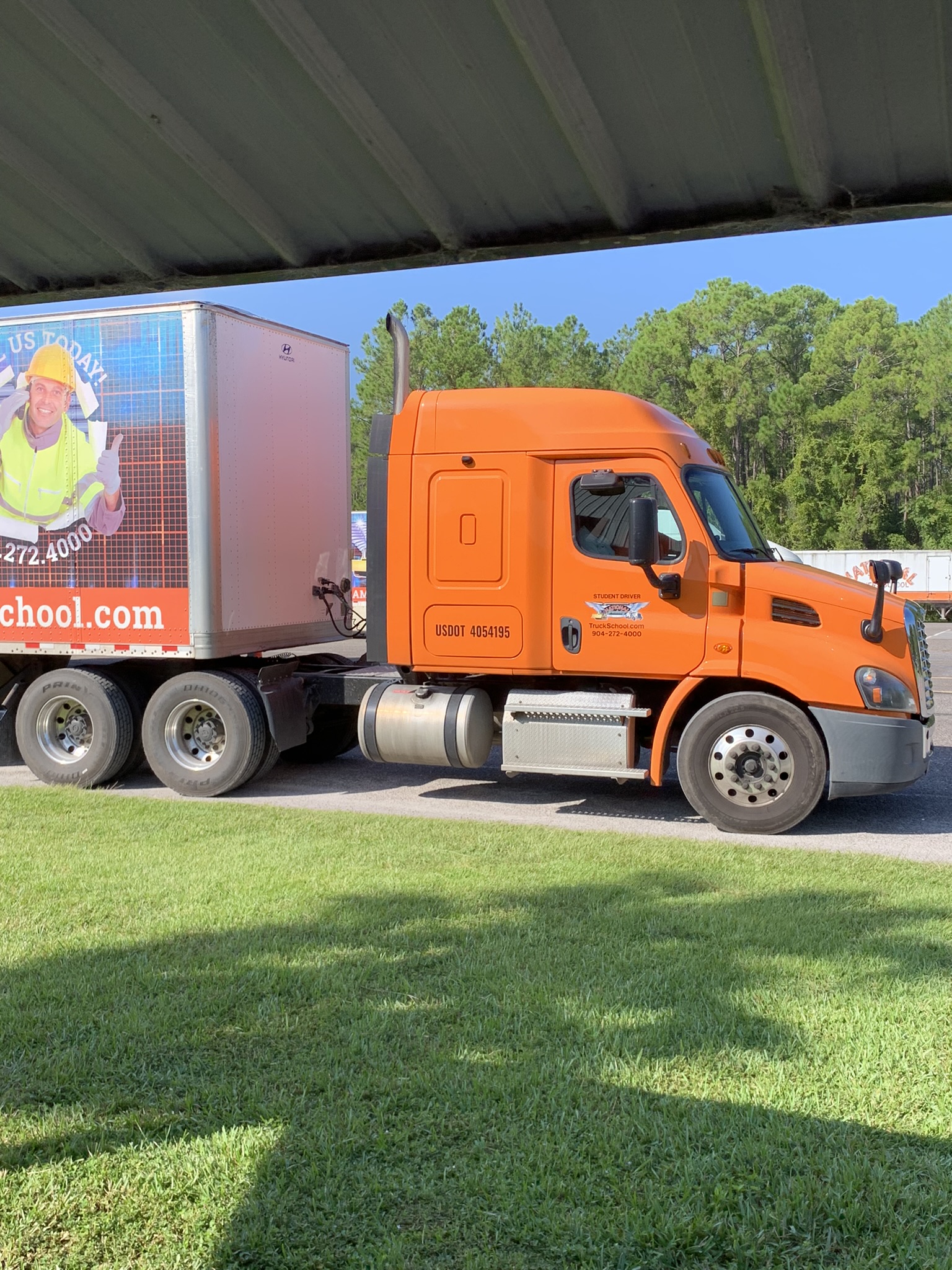
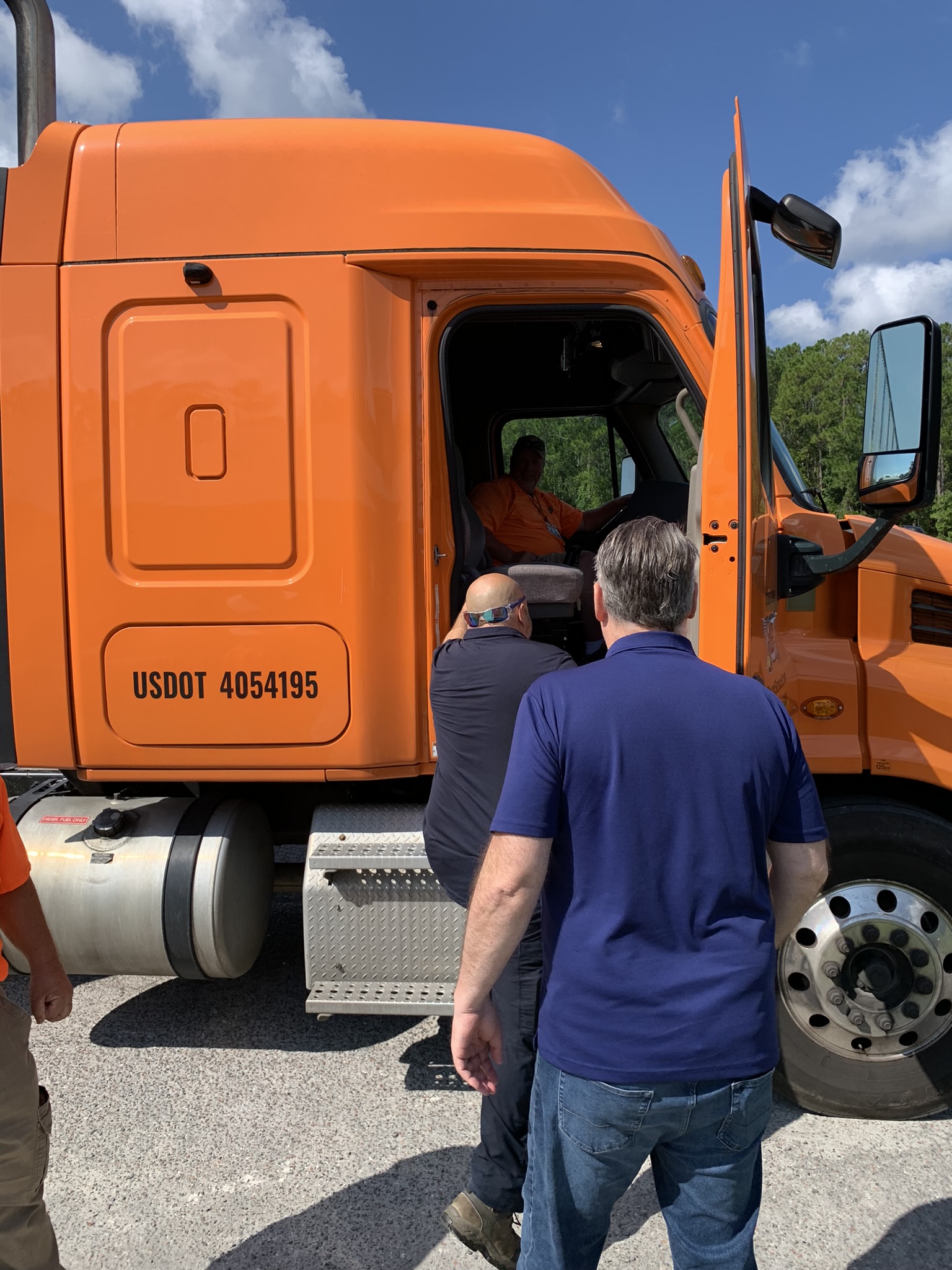
A: The length of the CDL Class A ELDT course depends on individual qualifications, eligibility, and program requirements. In many cases, students can complete CDL training and be prepared for job interviews in as little as four weeks. The program is designed to provide structured classroom instruction combined with hands-on behind-the-wheel training, allowing students to develop the skills required to pass CDL knowledge and skills testing and meet employer expectations.

Q: How much do truck drivers earn after completing CDL training?

A: Earnings in the trucking industry vary based on factors such as experience, route type, and employer. According to the U.S. Bureau of Labor Statistics, truck drivers earned a median average wage of $22.66 per hour in 2020, with annual earnings around $47,130 including base pay and bonuses. Experienced drivers may earn significantly more. In addition to pay, many trucking companies offer benefits such as medical, dental, and vision insurance, paid time off, retirement plans, and sign-on incentives. These benefits reflect the industry’s reliance on qualified, professional drivers.

Q: Do trucking companies require one or two years of experience to get hired?

A: This is a common misconception. While some employers prefer experienced drivers, many trucking companies actively recruit graduates from established and accredited trucking schools in Florida, including National Training Schools. Employers recognize that structured CDL training prepares graduates to meet industry standards. National Training Schools maintains relationships with numerous carriers that regularly hire entry-level drivers who have completed professional CDL training.

Q: What qualifications are required to become a professional truck driver?

A: Drivers operating in interstate commerce must be at least 21 years old, pass a DOT physical examination every two years, and comply with drug and alcohol testing requirements. Operating commercial vehicles over certain weight limits or transporting regulated materials requires obtaining a Commercial Driver’s License (CDL). This involves passing rigorous written and skills tests that evaluate knowledge of safety regulations and the ability to safely operate large commercial vehicles. Certain driving violations or substance-related convictions may affect eligibility.

Q: What are trucking companies doing to address the driver shortage?

A: Trucking companies continue to adjust recruitment strategies to attract qualified drivers. Many employers now offer improved pay structures, tuition reimbursement programs, enhanced scheduling options, and home-time policies. Some companies have shifted away from long-haul schedules toward relay or regional routes that allow drivers to spend more time at home. Advances in truck design and comfort, along with improved communication technology, have also made trucking careers more appealing to new drivers.

Q: What is the long-term outlook for truck driving careers?

A: Truck drivers play a critical role in transporting goods across the United States, supporting industries ranging from food distribution to manufacturing and healthcare. With millions of drivers currently employed and continued demand for freight transportation, the need for well-trained CDL drivers remains strong. Industry projections indicate steady demand for qualified drivers, making professional CDL training a practical pathway into a stable career.

Q: Do I need a driver’s license to enroll in heavy equipment operator training?

A: No. A driver’s license is not required to enroll in the Heavy Equipment Operator training program at National Training Schools. This allows individuals who are interested in construction equipment training to begin their education without needing prior driving credentials. The program is designed to focus on equipment operation skills, safety procedures, and hands-on training in a controlled learning environment.

Q: Is there a minimum age requirement for heavy equipment operator training?

A: Yes. Students must be at least 18 years old to enroll in the heavy equipment operator training program. This requirement helps ensure that students meet basic safety and participation standards while training on large, powerful construction machines.

Q: How long is the Heavy Now heavy equipment operator course?

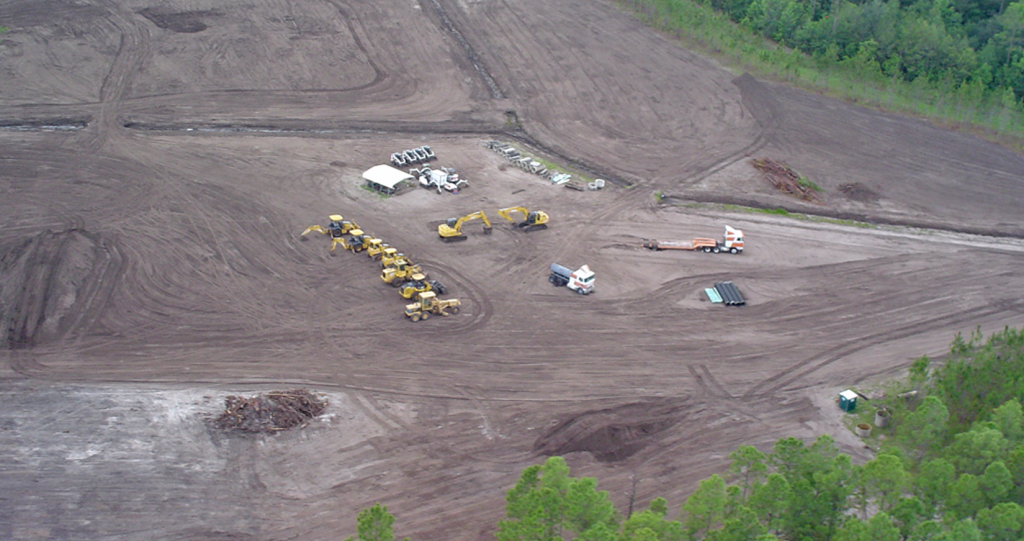
A: The Heavy Now program is a four-week training course totaling 208 hours. Training takes place at National Training Schools’ private 350-acre training facility in Green Cove Springs, Florida. The program combines classroom instruction with extensive hands-on experience, allowing students to practice operating heavy machinery in real-world training conditions.

Q: What types of heavy equipment will I train on?

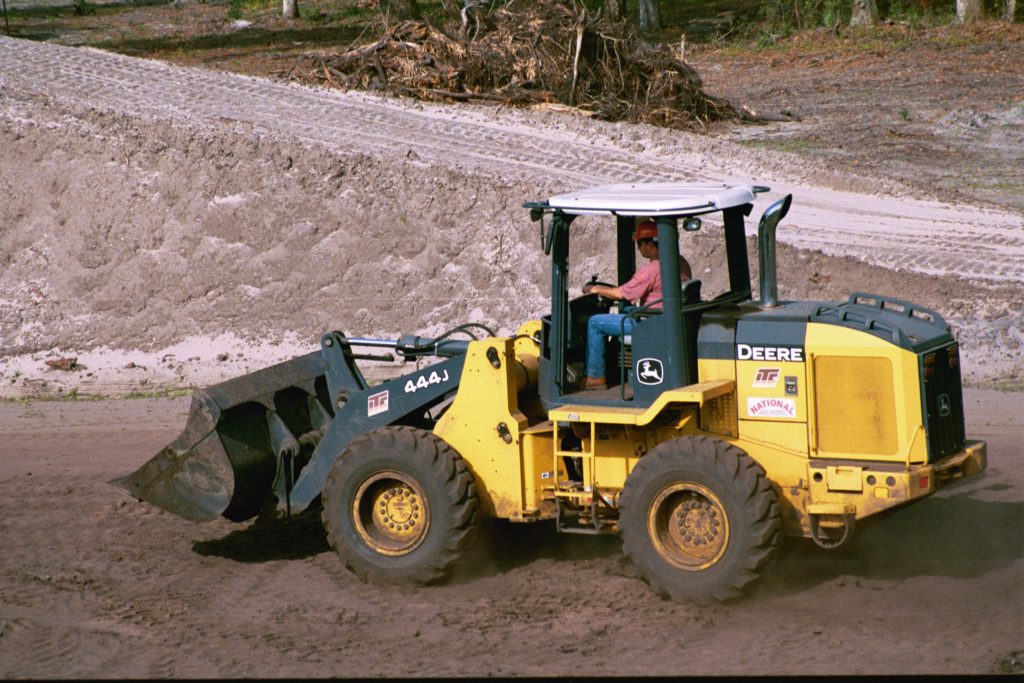
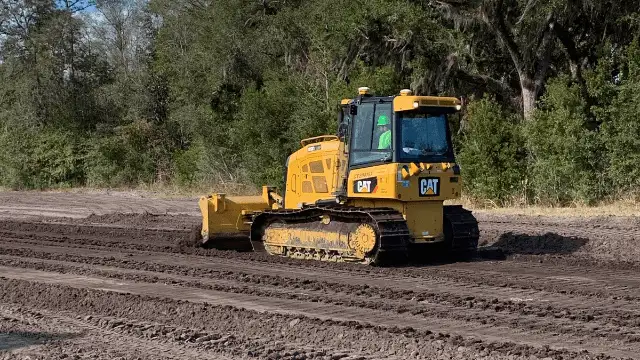
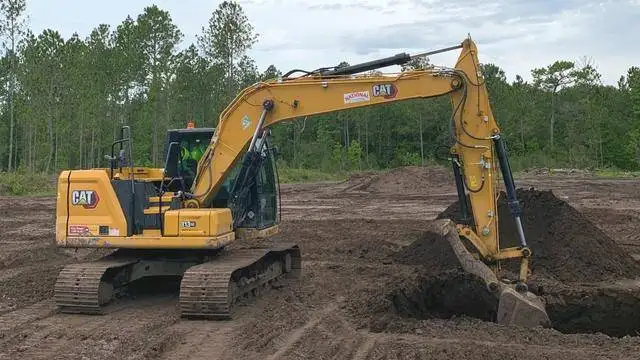
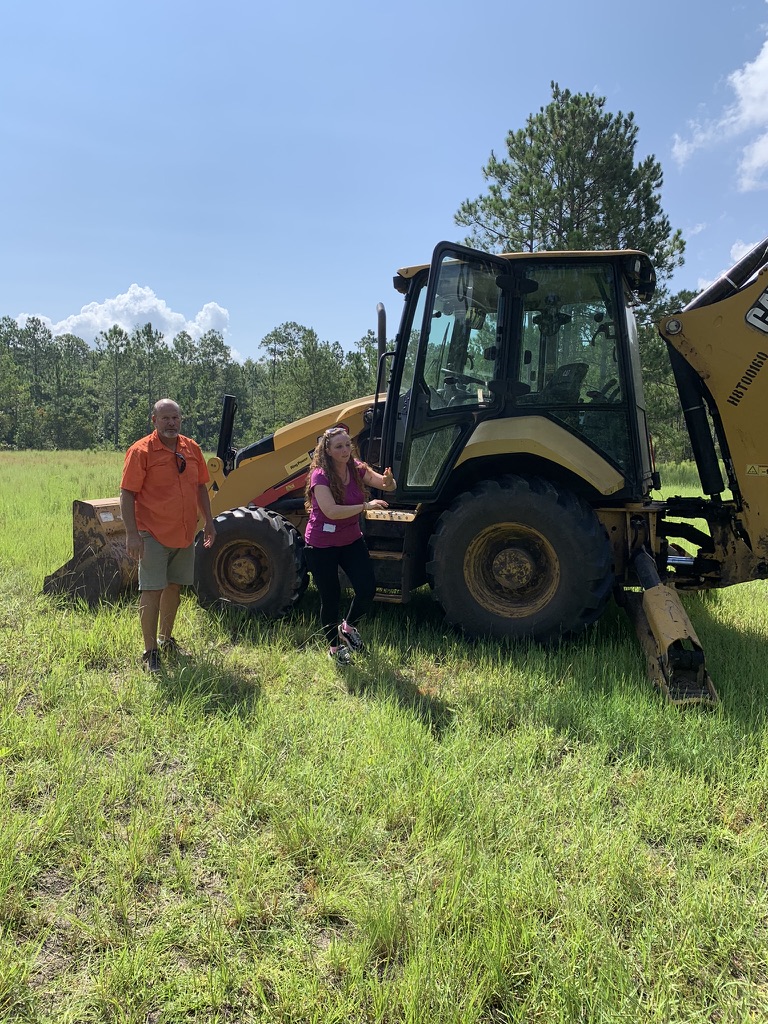
A: Students train on modern, late-model heavy equipment commonly used in construction and related industries. This includes bulldozers, excavators, tractor/loader-backhoes, and articulating loaders. National Training Schools owns, leases, or rents a variety of equipment brands and sizes to ensure adequate availability for training. Specific machines may vary based on maintenance schedules and operational needs.

Q: Where can I get financial assistance for heavy equipment operator training?

A: National Training Schools offers multiple financial assistance options for qualified students concerned about tuition. These may include private funding sources, workforce assistance programs, and other tuition resources. While the school does not participate in federally sponsored Title IV student loan programs, Admissions Representatives work closely with students to explain available options and assist with the application process.

Q: Do you offer job placement assistance after graduation?

A: Yes. National Training Schools provides nationwide job placement assistance to graduates of the Heavy Equipment Operator program. While employment is not guaranteed, the Career Services Department works to connect graduates with contractors and employers seeking trained operators. Many graduates have received job offers before completing their training, reflecting industry demand for skilled equipment operators.

Q: How much do heavy equipment operators earn?

A: Earnings for heavy equipment operators vary depending on experience, location, and industry. According to the U.S. Bureau of Labor Statistics, the median annual wage for construction equipment operators in 2020 was approximately $49,100. Operators with training on multiple types of equipment often have expanded job opportunities and earning potential.

Q: What is the future outlook for heavy equipment operator careers?

A: The outlook for heavy equipment operators remains strong. Construction projects related to infrastructure improvements, housing development, utilities, and environmental conservation continue to drive demand. In addition to new job opportunities, the industry requires trained operators to replace those retiring or leaving the workforce. Graduates who can operate multiple machines and are open to travel often have enhanced employment prospects.

Q: Is experience required to get hired as a heavy equipment operator?

A: No prior experience is required for entry-level positions. Employers seek candidates who have completed formal heavy equipment operator training and demonstrated the ability to operate equipment safely and effectively. Completing a structured training program provides graduates with opportunities to demonstrate their skills to contractors and construction firms.

Q: Is there a National Training Schools location near me?

A: National Training Schools operates its primary training programs at a private, purpose-built facility in North Florida. Due to the extensive land requirements, environmental regulations, and licensing involved, CDL and heavy equipment operator training cannot be conducted in every community. The school’s centralized location allows students from across the country to train at one of the largest and most specialized facilities available.

Q: Why is National Training Schools located in Florida?

A: Florida offers several advantages for vocational training. Favorable weather conditions allow training to continue year-round with minimal interruptions. This reduces downtime and helps students complete their CDL training or heavy equipment operator training on schedule. In addition, the state supports workforce development initiatives that align with both trucking schools and construction equipment operator training programs.

Q: Where does training take place?

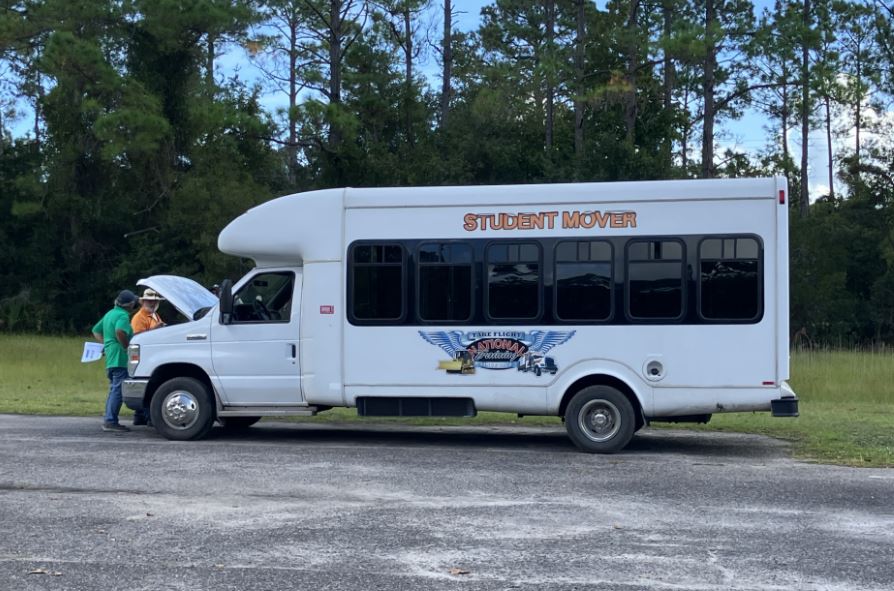
A: All hands-on training is conducted at National Training Schools’ exclusive 350-acre training grounds in Green Cove Springs, Florida. This controlled environment allows students to practice CDL skills and heavy equipment operation safely while gaining real-world experience. The size of the facility supports multiple training zones for both truck driving and construction equipment programs.

Q: Is lodging available near the training facility?

A: Yes. Students have access to lodging options near the training grounds. National Training Schools has arrangements with nearby motels that offer preferred rates for students. Costs vary depending on room selection and availability. Additional lodging options are also located within a short driving distance of the campus.

Q: Can students travel from out of state to attend training?

A: Yes. Students from across the United States attend training at National Training Schools. The centralized campus model supports individuals seeking CDL training in Florida or heavy equipment operator training Florida-wide, regardless of home state. Admissions Representatives assist students with planning and logistical questions.

Q: Does National Training Schools offer job placement assistance?

A: Yes. Job placement assistance is available to graduates of both CDL and heavy equipment programs upon request. While employment is not guaranteed, the Career Services Department works to connect graduates with employers seeking trained drivers and equipment operators nationwide.

If you have questions not covered in the FAQ section, contact National Training Schools directly. Call (800) 488-7364 or email inforequests@nationaltrainingschools.com to speak with an Admissions Representative who can assist you.

Is A Career in Trucking or Heavy Equipment Right for You?

Take the National Training Inc.’s CDL/Heavy Equipment Career Training Readiness Quiz

This fun online quiz takes 3 minutes to complete and you’ll get a personalized report. Identify your strengths and social style plus the training and positions you’re best suited for.

CHOOSE YOUR PATH

Whether you’re preparing for CDL classes or heavy equipment training, National Training Schools offers structured, licensed programs designed to prepare students for entry-level careers in the transportation and construction industries.

Get Details