What Equipment Can You Learn to Operate in a Heavy Equipment Training Program?
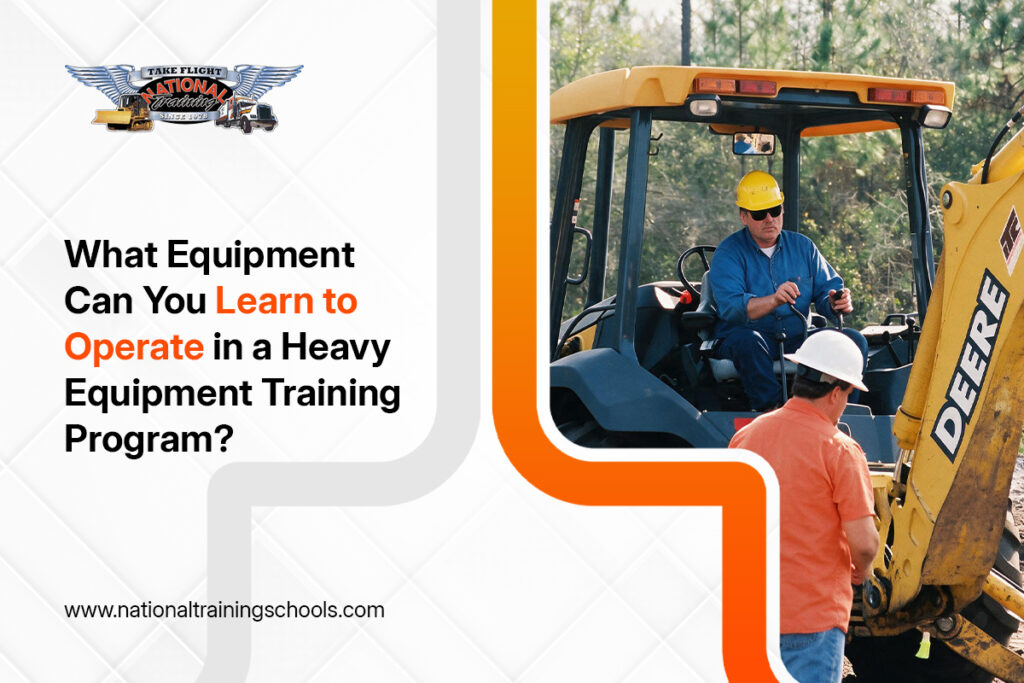
Heavy equipment is used across construction, excavation, site preparation, grading, and material-handling projects. Each machine serves a different purpose, which is why operator training typically involves more than learning a few controls. Students also need to understand equipment inspections, safe operating practices, machine positioning, and basic operating techniques. At National Training in Green Cove Springs, Florida, students can train on several types of construction equipment through individual equipment courses for their heavy equipment operator training program. The core equipment currently listed by the school includes excavators, bulldozers, articulated loaders, and tractor loader backhoes.
Excavators
Excavators are commonly used for digging, trenching, excavation, and site preparation. Their boom, arm, bucket, and rotating upper structure allow the operator to perform controlled earthmoving tasks from a stationary or repositioned machine. National Training’s excavator instruction covers areas such as machine controls, pre-operation inspections, startup and operating procedures, basic maneuvers, safety, and practical operation.
Bulldozers
Bulldozers are tracked machines built primarily for pushing, grading, and moving material. The large front blade makes them especially useful for earthmoving and ground preparation. Bulldozer training focuses on understanding the controls and learning how the machine responds during basic operating tasks. Instruction may also cover inspections, startup and shutdown procedures, maneuvering, equipment safety, and preparation for transport.
Articulated Loaders
Articulated loaders are commonly used to scoop, carry, and load loose material. They are particularly useful when soil, gravel, aggregate, or similar materials need to be moved around a work area. One feature that distinguishes an articulated loader is its steering system. The machine bends at a central joint rather than steering in the same way as many conventional vehicles, so operators need to become familiar with how it turns and positions itself.
What Do Students Learn Beyond Machine Controls?
Knowing which lever or control performs a particular function is only one part of operating heavy equipment. A heavy equipment operator training program should also introduce students to pre-operation inspections, equipment safety, startup and shutdown procedures, maneuvering, and proper machine use. National Training’s published heavy equipment course information consistently includes these areas as part of its curriculum. This helps students understand not only how a machine operates, but also how to approach equipment use in a structured and safety-focused way.
What Should You Look for in a Heavy Equipment Training Program?
When comparing programs, it helps to look beyond the equipment list. A useful heavy equipment operator training program should clearly explain which machines are covered, what operating skills are included, how safety is addressed, and whether students receive practical training in addition to classroom instruction.
National Training operates from its campus in Green Cove Springs, Florida, where its published information identifies a private 350-acre training facility used for CDL and heavy equipment instruction.
Conclusion
Excavators, bulldozers, articulated loaders, and tractor loader backhoes perform different roles on construction and earthmoving projects. Learning to operate them involves more than basic machine movement. Students also need to understand inspections, equipment controls, safety procedures, positioning, and practical operating techniques. National Training in Green Cove Springs, Florida, offers both individual equipment courses and broader heavy equipment training options for students who want structured instruction in these areas. For anyone considering heavy equipment operator training, reviewing the actual curriculum and equipment covered is one of the most useful ways to determine whether a program matches their training goals.
FAQs
1. Do I Need Previous Construction Experience Before Enrolling?
Not necessarily. Entry requirements vary by program, so students should review National Training’s current prerequisites before applying.
2. What Should I Wear During Heavy Equipment Training?
Students should follow the school’s current safety and dress requirements, including any required protective footwear or work clothing.
3. Are Heavy Equipment Classes Suitable for Complete Beginners?
Some training options are designed to introduce foundational operating concepts, but students should confirm the intended experience level of the specific course.
4. How Is Student Progress Evaluated During Training?
Evaluation methods can vary by course and may include classroom work, practical skills assessments, or other requirements listed in the approved curriculum.
5. Does Completing Heavy Equipment Training Guarantee a Job?
No. Training can help students develop relevant knowledge and operating skills, but it does not guarantee employment, wages, employer acceptance, or a specific career outcome.